Google TPU 8i Max and TPU 8tx: Four TPU Systems in One Year
Google’s TPU 8i Max doubles memory bandwidth for long-context agents while TPU 8tx brings confidential inference to TPUs. What shipped and what is missing.
Continue readingaffiliate marketing, marketing tips, how to make sales, how to make money, tech tips and tech gadgets.

Google’s TPU 8i Max doubles memory bandwidth for long-context agents while TPU 8tx brings confidential inference to TPUs. What shipped and what is missing.
Continue reading
Anthropic’s Claude Fable 5.2 beats Opus 5.5 on most benchmarks at half the cost per task. Mythos 5.2 is its unrestricted sibling. What the system card reveals.
Continue reading
Meta FAIR’s e-means matches Lloyd’s k-means loss in 10x fewer epochs and ships in FAISS 1.16.0. How it works, the benchmarks, and where it fits.
Continue reading
IBM’s Quantum Nighthawk r3 targets 10,000 operations on 520 qubits, with a 1,040-qubit two-chip system planned for 2027. What the specs say.
Continue reading
AWS Emulator runs 200-plus AWS services on your laptop, written entirely by autonomous AI agents. How it was built, its fidelity scores, and its limits.
Continue reading
Fish Audio Live 3 is a full-duplex voice model that learns turn-taking from real conversations. What it claims, what it costs, and what is still unproven.
Continue reading
MBZUAI’s IFM released PAN 2, an open 29B world model that simulates actions as video. What it can do, what it fails at, and why openness matters.
Continue reading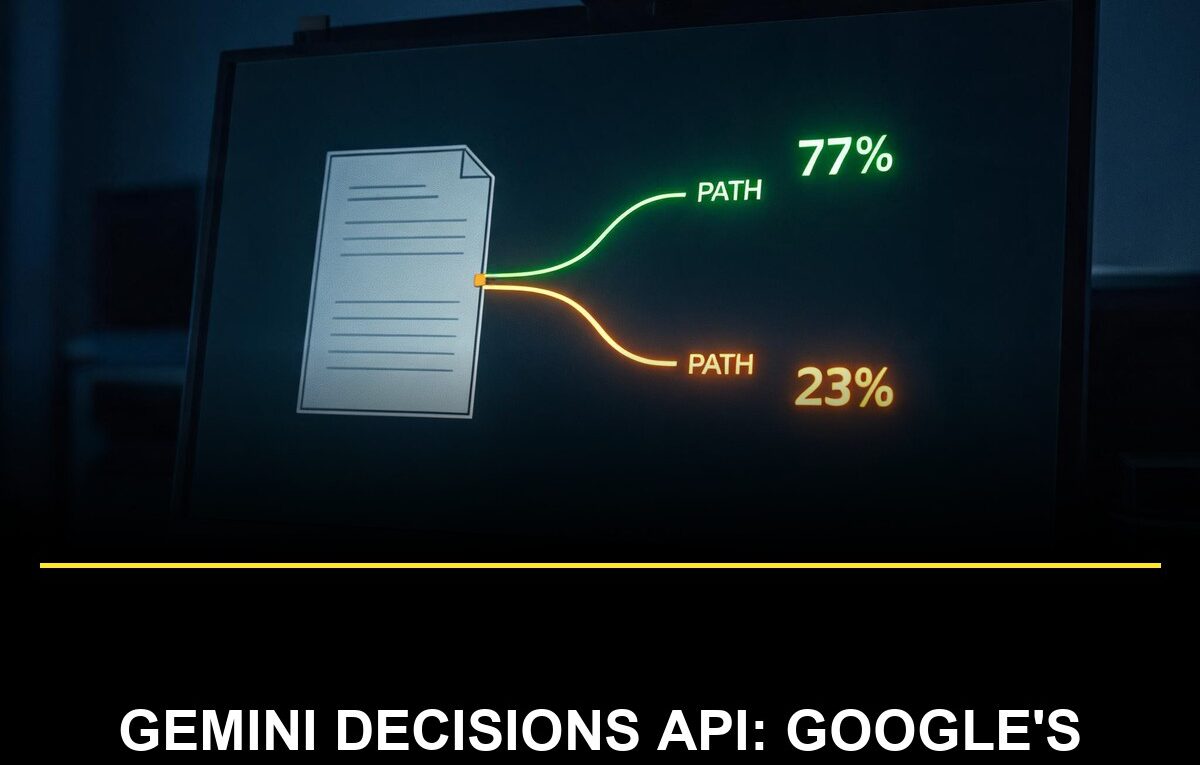
Google’s Gemini Decisions API scores up to 1,000 questions per call with calibrated probabilities and zero output tokens. What it does, and the caveats.
Continue reading
Most Rust developers still skip the debugger. A look at debugging Rust in 2026, from println! and rust-lldb to RustRover and AI agents running debug sessions.
Continue reading
The Chromatic Codex Edition handheld turns prompts into Game Boy Color games via a Codex plugin, GB Studio and a programmable cartridge. Here is how it works.
Continue reading